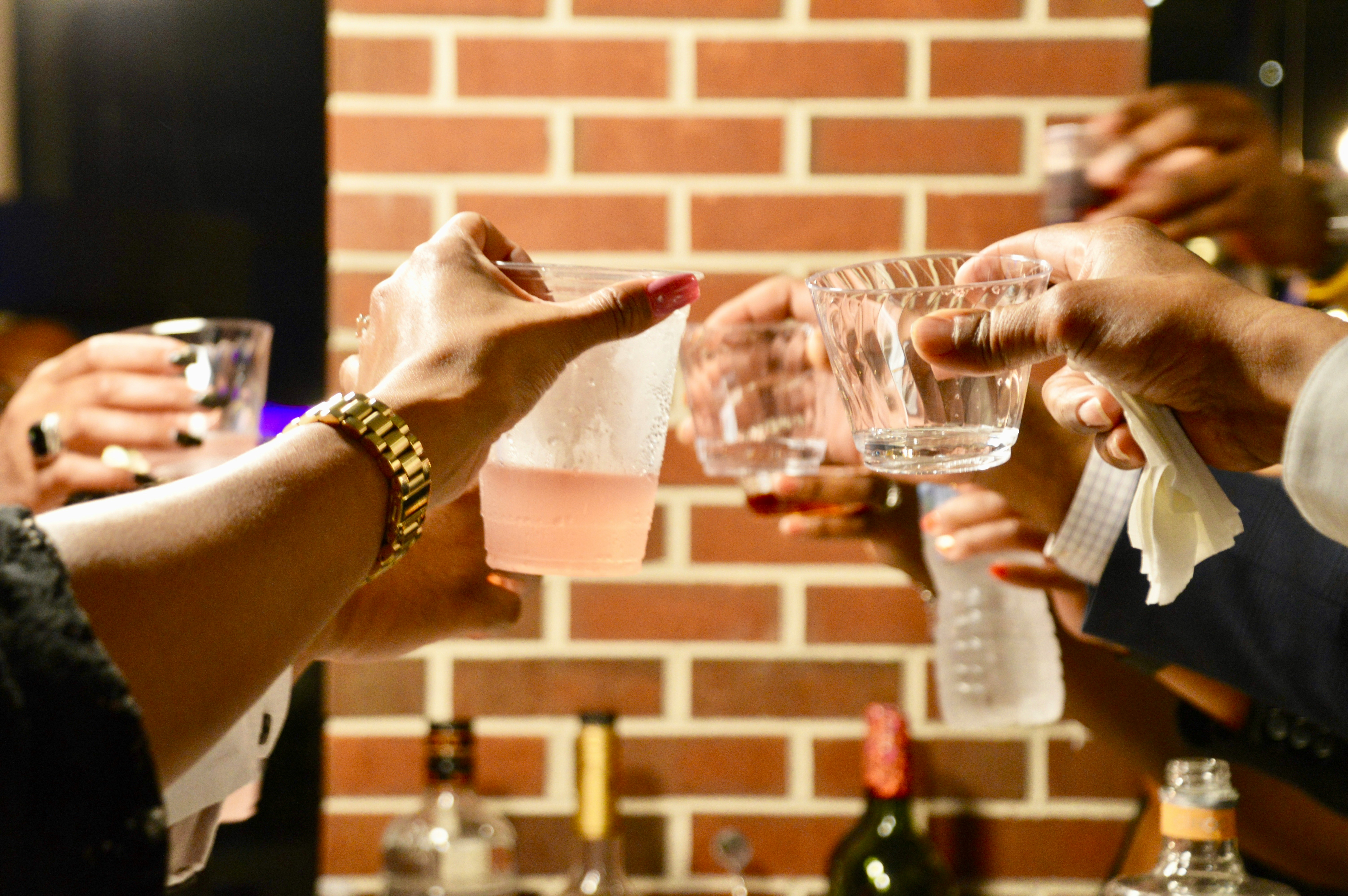
Cheers to that: the stuggle of a selective social drinker

Society has apparently gone through a shift. Many are ditching alcohol to pursue sobriety. Or so that’s the story I’ve seen on many lifestyle focused newspaper articles and podcasts. 

Alcohol Change UK, for example, states that 1 in 5 adults in the UK (20%) report not to drink alcohol. The trend of being ‘sober curious’ has increased over time, particularly amongst GenZ who are seen to be more health conscious than previous generations.

And to some extent, talking to people I know about why they stopped or reduced their alcohol consumption does validate these claims. However, one thing I’m noticing is that many of the restaurants and bars are not in on this shift. It’s an interesting mismatch since businesses are usually on the forefront of adapting their offering to cater to trends. I mean, it’s not necessarily an expectation but is typically what makes business sense.

I myself am not a big drinker, it doesn’t mean I’m teetotal. However, I find myself to not be a massive fan of the taste of most types of alcohol. That compared with the fact mocktails and soft drinks are always cheaper means drinking alcohol will never be my default preference – even in pub or bar. When I do drink it will indeed be socially and usually, whether I like to admit it or not, due to some underlying social pressure. You deciding not to drink often becomes the topic of conversation, people often acting as if they’ve just discovered you’re joining a nunnery. It’s quite tiring at times. All a girl wants is to drink her lemonade in peace, but no can do. 😅

Despite 20% of the UK not drinking, you’ll be surprised that I still go to places, request mocktails at their bar and get blank stares from the bartender. Typically, I’ll see them struggle to answer, or get a blunt no and have to succumb to a soft drink or tap water. This has happened more often than expected. Something I’ve also noticed is that a lot of offers for food involve an alcohol and tend to not have a non-alcoholic alternative. I remember going to a spa many years ago with a friend and being greeted on arrival with prosecco. It was a lovely visit but when asking if they had any drink alternatives they just answered ‘no’. This indicates to me they’ve never even considered the fact guests booking the voucher may not drink. How bizarre and how frustrating.

Some bars and restaurants are doing a great job though, embracing a full range of mocktails on their menu and non-alcoholic beers and gins. What I appreciate the most is creativity, having a tailored menu in this area shows you really value all customers and put thought into everything you offer – not just the alcoholic choices because they’re more popular.

Overall I would say yes, The Alcohol Change UK stats show that non-drinkers are indeed a national minority still. However, catering to just the majority does not mean you’re catering to the whole, and to be fully inclusive – that’s important. Yes, it can be costly to implement but it’s always a worthwhile investment.

___________

Photo by Andra C Taylor Jr on Unsplash
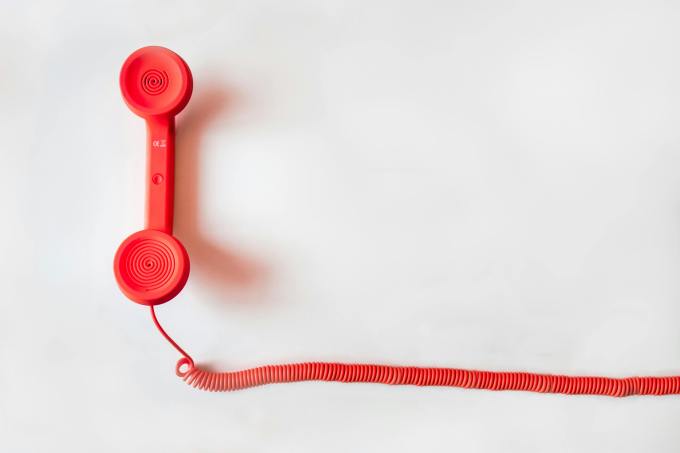
Can I speak to a human please? My war with tech in customer service

Sometimes I’m certain tech is going to be the death of us all.

At other times I have moments of excitement and intrigue when I think about what new opportunities tech will unlock for us as a species. But today let’s focus on one of the roots of my pessimism. Customer service.

Tech has been used very strategically by several companies to make dealing with customer queries more efficient. Snazzy websites with FAQs, AI powered chatbots and ‘virtual assistants’ online and on the phone who can point you towards the best answer possible. Sometimes they work very well and you think – thank God for that. However, at other times they lead you hopelessly in circles, teasing you with the promise of an answer BUT NOT ACTUALLY GIVING ONE. It’s at those times I have to take deep breaths to protect my sanity and my phone screen (which is one step away from being thrown at the wall).

I recently found myself in need of documents from my bank and was of course advised by the website (one bit of tech) to use the banking app (another bit of tech). I did as I was told but the app actually couldn’t fulfil the demand so after a few tries I reluctantly decided to go to the bank. Even that decision wasn’t made easy because the physical sites of many high street banks are slowly all shutting down. All the ones in my borough of London were closed down, so I had to venture out.

When I got to the bank, after a long journey there and I finally get to see a member of staff after waiting ten or 15 mins, what happens? They ask me if I’ve used the app and if not, if they can show me how to use it. Part of me wanted to scream. What is the point of me being here if all roads lead back to this god forsaken app? Can no service be provided independent of it? It’s enough for me to hopelessly despair at times.

Human, where art thou?

These days there’s a thrill and pleasant surprise to hearing a human voice on the phone. And that’s mainly because companies make you work SO HARD to access one. You have to talk to 101 AI bots who you tell your problem to (in over enunciated English because they understand nothing less), only for them to say they don’t understand a thing you’re say. Repeat this scenario about 3 – 4 times and you have a typical phone call to your bank or utility provider. Humans, of course, have their own problems, sometimes I’ll be forwarded back and forth between teams on the phone like cow on a farm. No, they’re not perfect, but I always feel like I am in slightly better hands and that I’m at least one step closer to a solution.

In terms of human access for customers – it’s a luxury. And, you’ll notice, if you observe carefully, that there’s also a hierarchy. People who are likely to buy new products will always be put through to humans faster. As for existing customers who are likely to be making complaints or trying to be processing returns? You’ll have to jump through a few hurdles. Maybe you’ll get through to a human, maybe you won’t. It’s up to the company gods and what they’ve decided. Sad stuff really – especially when you’re in the midst of it. There’s an incorrect assumption that it’s mainly those that are elderly and/or old fashioned that like to have human customer service. This is not true, young people like myself are increasingly valuing human assistance too. Why? Because it’s not necessarily an age or generational thing at this point.

______

Do you have any bad customer service stories to share? Feel free to comment and share so we can release our anger together 🙂

Alternatively feel free to read more of my thoughts on shopping and customer service here.