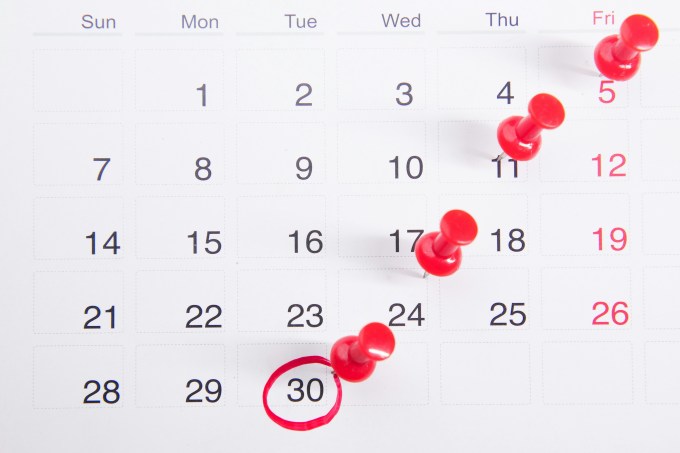
Why Your Planner Friend Deserves a Break

Don’t you just love it when a good plan comes together?

It’s a peaceful night. You’re out with your friends enjoying life, sipping a drink and chatting away in a restaurant and thinking about how you love moments in life like this. The joy. The chat. The food.

You know who also loves a good plan coming together? Your planner friend.

We all have them. The friend in the group chat who drives forward plans, determined to make them a reality beyond everyone just saying ‘it would be great to catch up sometime’. They’ll do polls and send lots of replies, nudging everyone to get involved or send them money for an outing. They’re driven, they’re doers, and yes, they can be impatient, but they’re also efficient and can be trusted to get the task done. They’re close to priceless when it comes to planning important life events like baby showers and hen dos (bacherlettes and surprise birthday parties.) In fact, it’s in those moments their skills and organisation levels shine brightest.

However, as a self-identified planner friend myself, I write this to say, sometimes your planner friends need a break! They can’t always be the ones trusted to be proactive and make things happen. Although they can do it, are good at it and may often even get joy out of it, IT DOESN’T MEAN THEY SHOULD ALWAYS DO IT. What can then happen is that some friendship groups may fall into a dynamic where they over-rely on the planner to make things happen. If that friend can’t make the event, then the plan doesn’t happen, or it does but is shoddily planned and executed.

Enough is enough. Treat your planner friend once in a while (if not, more) and show that they can put their feet up. That their love for their friends isn’t unrequited – effort is taking place on all sides other than theirs. I get it, we’re all busy people and have lots going on in life. But it does sometimes get to a point where you have to evaluate your capabilities and time. What are you prioritising? Surely not everything in your diary is inflexible and important? A quick shuffling around of commitments can sometimes be all it takes to free up your time to do some planning. And that’s if planning even needs that much time, often the steps towards making a social happen can be quick and easy with minimal time needed (once a plan has been decided, that is!)

If the planner friend never catches a break, then there can be a danger of resentment building. And trust me, it’s only when the planner friend takes a step back or decides to ‘retire’ that you realise just how important a role they played in the friendship group.

Moral of the story: Give your planner friend(s) a break. They are valuable, so treat them like it!

*Photo by Towfiqu barbhuiya on Unsplash

_______

Any other planner friends in the house? Let me know your experiences below so we can find our tribe.


Above the noise: exploring the Cocktail Party Effect

I CAN’T HEAR YOU.

You’re out with a friend, after months of wrangling each other’s diaries for a free date to meet and this is all you keep thinking about as you sit together in a restaurant trying to catch up. Imagine the frustration.

They’re probably telling you about a dramatic day in their job or something heartfelt their partner recently did and you can’t hear a single piece of juicy information because the music is too darn loud 😠. This has happened to me too many times to count in recent months, if not years. It’s gotten to the point where the other day I joked with someone that it seems like 90% of adult life is shouting above music to speak to people. Can’t remember too well but I suspect I shouted that joke above loud music (as if to prove my point is valid.)

This is a common scenario that creates what I’ve recently discovered is called ‘the cocktail party effect’ – the ability to follow and hear one noise amongst numerous others. The only problem these days is that this ‘effect’ is failing – people are not as capable of it as they once were. This article in I news, explores the problem and hints it may be a precursor to hearing loss. According to a study cited in the article, 70% of people have trouble hearing conversations in noisy places – with Gen Z being the worst affected. For me it’s become unbearable to the point I’ll sometimes just sit there helpless in a group and drink my drink, planning my exit, partly to preserve my social battery and partly because I can’t hear a darn thing anyway so what’s the point in speaking. I often see others leave bars and just end up talking in toilets or amongst smokers at bar entrances in a desperate effort to get a quiet place.

I went to an event last week that had NO music in the background (I know, the horror) during its duration and I remember feeling a strange sense of peace. Yes, it was still loud since voices were rising in the air. But was I straining my ears 110% to hear a single word above a Calvin Harris song? No, and it made a massive difference to the connections and conversations I was able to have that night.

The loud music as frustrating as it may be, many might feel like it’s needed. It sets ambiance, a fun mood for the place and the night, as you settle into your seats. What’s the alternative? Just…nothing? That could be more awkward. Although, I see this perspective and am happy with the presence of music, I simply think it could be tuned down a little bit, for the sake of our ears and sanity, please.

______

PS: One thing I’ve heard does really help with this issue is ear plugs! I’ll likely be buying some soon, so I’m open to recommendations or any other tips you have for dealing with this.

Photo by Michael Discenza on Unsplash

Lean on Me

This weekend I watched on amusingly on the train as a mother walked onto the train with her four children. All the seats were taken so they stood in the space in between the seats. Three of the kids stood in front of me and I observed their conversation as the train was starting to move. Two of three children were holding onto the handrails tight bracing for the train’s movement. However the youngest child – he couldn’t have been older than six- was adamant he didn’t need the handrail to support him; despite constant nagging from his older siblings. As the train moved along steadily, I continued to watch as he beamed proudly, strategically using his body weight to stand handrail free- despite the unnecessary effort he needed to do so.

Watching this innocent scenario unfold helped a lot of thoughts I have recently been having fall in place. Why – like the little boy perhaps – are we sometimes so adamant to ask for help or accept help when it’s readily offered to us?

children-1149671_1920
We’re social beings designed to support and love one another – never whether your storms alone.

I think generally we can be quite proud and stubborn – often thinking we can weather hard times alone. So we suffer in silence, often isolating ourselves from others ironically when we need them most. We also tend to think to ask for help says something negative about who we are; we’re weak, naive, not independent or self-sufficient. But truthfully, it says none of those things. It speaks volumes about the situation, not you. You’re going through a rough time. It’s a tough situation and you can only withstand so much alone; seeking or wanting help is understandable, if not expected.

The Stylist published a collection of issues last year looking back over their work covering the last decade. They published 10 issues featured many of the women that had graced their covers over that time – one of them being Reni Eddo-Lodge (journalist and author most well known for her book ‘Why I’m No Longer talking to White People About Race’.) When reflecting on takeaways from the last decade she said something quite striking to me. She stated, ‘there’s no self-care without community care’; in other words caring for each other is key to our own wellbeing. But more interestingly so she quotes a t-shirt slogan that says ‘Be less capable. You never know who might help you.’

I think her self-care point speaks for itself but her second point on vulnerability is worth reflecting on as I finish this post. The pretence of capability is not always needed; sometimes it’s worth being fearlessly vulnerable. Vulnerable without the worry of judgement, hurt or mockery. If ‘community care’ is to truly happen we need to make sure this does first.


Your Difference is your Power

A few months ago I was standing on my doorstep one night rooting through my bag for my keys in order to open the door. As I looked up, I saw (what I assume to be) a white stray cat strolling across the street. I remember weirdly standing for a minute to admire it; stray cats I see are not usually white so it was a rare sight. It’s white stood out beautifully against the darkness of the London night.

Like that cat maybe we should start wearing what makes us different more proudly on our sleeves. I say this as someone who recently feels like they’ve been in a lot of spaces where they’ve felt so…different and out of place. Sometimes it was because I was black, sometimes it was because of my faith, other times it was simply because I felt like an introvert surrounded by larger-than-life extroverts. At times like that, it can be tempting to either shrink back to try to survive the situation by suppressing your difference so you can camouflage into your environment.

It’s definitely true that differences can be isolating. But differences can be empowering once fully owned and the beauty of them is fully understood. Admittedly, it is a learning process- and not an easy one; one that Is part of the wider journey of learning about and loving yourself. Don’t be someone who holds their differences tightly to their chest scared they might be noticed or zoomed in on. Instead, if like me, you often find yourself feeling such a way in certain social environments I want to challenge you to be a bold different from now on. 

One person, many masks

Beneath the fragile surface of your laughter

I see

the tears you are drowning in.

____________________________________________________

I’ve always been fascinated with this idea of everyone hiding a secret pain and suffering. That perhaps the strong person welding a smile or air of politeness there’s pain lingering inside. I remember when I was in primary school and in music class we learned The Beatles’ song ‘Eleanor Rigby’. In the song is the line:

‘Eleanor Rigby…waits at the window, wearing the face that she keeps in a jar by the door,

who is it for?’

I remember my young mind literally imagining a lady carefully taking a pale mask out of a jar each day and applying it to her face as she steps out of her door and into the world. But of course, nowadays- now that I am older I see it differently. Each of us wears a mask out of necessity because let’s be honest; I’m sure there have been many times where someone has asked ‘how are you?‘ and you’ve wanted to say ‘not great’ but held back. For me, that happens way too often but I’m sure its a common occurrence for many. But every time we grin and nod that’s our mask playing its role and coming into use. In fact, we probably do way more than we know, and sometimes without ourselves noticing.

I try to keep this in mind when approaching people, it’s always good to be aware that a smile hides 1000 things. It makes you navigate conversation carefully with people and more open to people maybe saying a simple ‘no’ when asked ‘Are you okay?’